

How Much Should New Flooring Cost in the UK? (2026 Price Guide)
How Much Should New Flooring Cost?
Flooring quotes can vary widely – sometimes by thousands of pounds for what appears to be the same job.
This guide explains what really affects flooring costs, including materials, preparation and installation, so you can compare quotes properly and choose the right option for your home.
With over 26 years of flooring experience, we break down real pricing examples, common mistakes and the factors that influence the final cost.
Last modified:
Understanding the Real Cost of New Flooring
Flooring prices vary because a flooring installation is not just the material – it includes preparation, installation methods and accessories.
If you have started researching new flooring, you may have noticed something confusing.
Why does one company quote £2,000, another £3,500, and another £5,000 for what appears to be the same floor?
And how do you know which quote actually represents the best value?
After more than 26 years working in the flooring industry, we have seen first-hand why flooring quotes can vary so widely. Small differences in materials, preparation and installation methods can make a significant difference to both the price and the long-term performance of your floor.
At Grimley Flooring, we specialise in supplying and installing flooring for homes across the region. Over the years we have installed flooring in hundreds of homes and specified thousands of flooring products , which gives us a clear understanding of what really affects cost.
In this guide, we explain exactly what influences flooring prices so you can compare quotes properly and make the right decision for your home.
You will learn:
- Typical flooring price ranges in the UK
- Why quotes from different companies vary so much
- The real cost of preparation and installation
- How flooring materials affect durability and price
- The questions to ask when comparing flooring quotes
Our goal is simple: help you understand exactly what you are paying for.
What Does New Flooring Typically Cost?
The cost of new flooring in the UK typically ranges between £25 and £160+ per m² installed, depending on the flooring type, product quality, preparation required and installation methods.
For example:
| Flooring Type | Typical Installed Cost |
|---|---|
| Carpet | £25 – £60 per m² |
| Laminate | £35 – £80 per m² |
| Luxury Vinyl Tile (LVT) | £60 – £120+ per m² |
| Engineered Wood | £80 – £160+ per m² |
However, the final cost of a flooring project depends on several factors, including:
- the quality of the flooring material
- the condition of the existing subfloor
- preparation work required
- installation methods
- accessories such as grippers or door bars
This is why two quotes for the same room can sometimes differ significantly.
Typical New Flooring Costs in the UK (Price Per m²)
While every home is different, these are typical installed price ranges for common flooring types in the UK.
Flooring Type Typical Installed Price
| Flooring Type | Typical Installed Cost |
|---|---|
| Carpet | £25 – £60 per m² |
| Laminate | £35 – £80 per m² |
| Luxury Vinyl Tile (LVT) | £60 – £120+ per m² |
| Engineered Wood | £80 – £160+ per m² |
These prices usually include:

- Flooring materials
- Underlay or adhesives
- Standard installation
- Basic accessories such as grippers or door bars
However, they do not always include subfloor preparation, which can significantly affect the final cost.
A Real Example: What Flooring Might Cost in a 20m² Room
To give a clearer idea of real-world pricing, here is an example based on a 20m² room with no furniture and minimal preparation required.

Flooring Type Typical Installed Price Range
| Flooring Type | Typical Installed Cost |
|---|---|
| Carpet | £586 – £2,103 |
| Luxury Vinyl Tile (LVT) | £1,510 – £5,150 |
These figures are based on projects completed by Grimley Flooring and include both supply and installation.
Prices can vary depending on:
- the product selected
- the preparation required
- accessories included
- additional services such as furniture moving
Interestingly, LVT products themselves are often not significantly more expensive than carpet.
The higher cost usually comes from the preparation and installation required.
Glue-down (dry-back) LVT must be installed on a very smooth and flat subfloor, which often requires levelling compound and additional preparation. The installation process also takes longer because the flooring is fully adhered using specialist adhesives.
Every home is different, so the easiest way to estimate flooring costs is based on your room size and flooring type.
Enter your room size and flooring type to see a realistic price estimate based on typical installations.
Why Flooring Quotes Can Be So Different
Many homeowners expect flooring quotes to be similar between companies.
In reality, quotes can differ significantly because they may include completely different elements.
Here are the most common reasons.
Subfloor Preparation
One of the biggest hidden factors in flooring cost is preparing the existing floor.
Before flooring is installed, the subfloor must be suitable. This may involve:
- Floor levelling compound
- Plywood installation
- Damp proof membranes
- Repairs to damaged boards or concrete
- British Standards damp testing
In our experience, around 40% of homes require some form of subfloor preparation, and for LVT flooring preparation is almost always required.
Uneven concrete floors are one of the most common issues, which is why levelling compound is frequently used before installation.
Preparation costs can vary widely but typically range between £250 and £1,000 depending on the condition of the floor.
Proper preparation is essential because even the highest quality flooring will fail if installed on a poor subfloor.
Every home is different, and the condition of the subfloor can significantly affect both the cost and the type of flooring that will perform best.
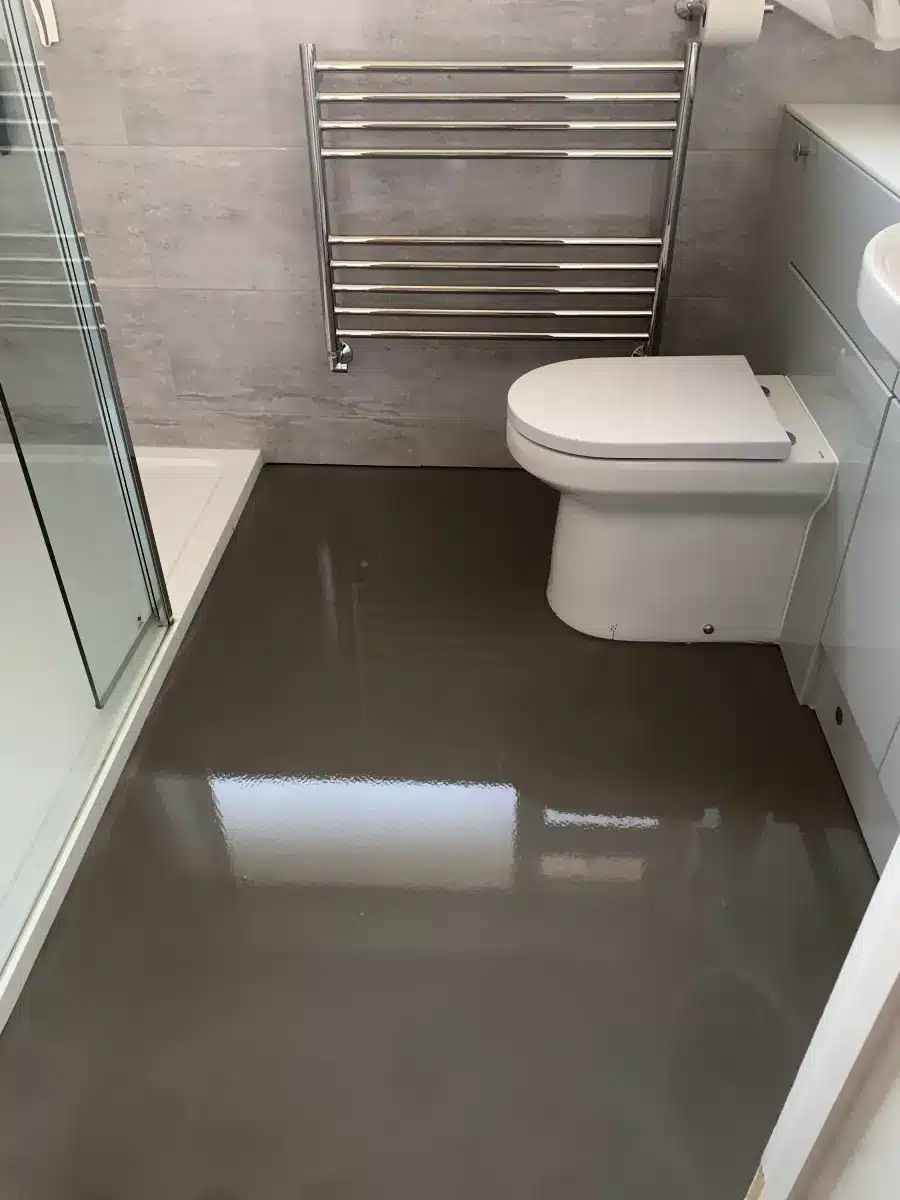
At Grimley Flooring, we visit your home, inspect the existing floor and help you choose flooring that suits your space and lifestyle.
Material Quality
Not all flooring products are the same quality.

Carpet is a good example because two carpets may look similar at first glance but perform very differently over time.
The quality of carpet depends on factors such as:
- fibre type
- pile density
- backing construction
- manufacturing quality
One of the most common mistakes we see is homeowners choosing a carpet based purely on appearance.
Some lower-cost carpets can look good in the showroom but may flatten more quickly in high-traffic areas due to lower pile density or fibre quality.
Higher quality carpets often offer:
- better durability
- improved stain resistance
- longer manufacturer warranties
Installation Standards
Flooring installation is a skilled trade, and installation methods can vary between companies.
Professional installation involves much more than simply laying the flooring.
For example, good installation practice includes:
- Proper moisture testing before installation
- Using manufacturer-approved adhesives
- Using the correct trowel sizes for adhesive application
Even small details matter. Adhesive trowels must be replaced regularly as they wear down, otherwise the adhesive coverage can be reduced.

Correct installation methods help ensure the flooring performs properly and that manufacturer warranties remain valid.
Business Structure
Flooring companies operate in different ways, which can influence pricing.
Some companies operate with:
- physical showrooms
- office staff
- multiple installers
- higher overhead costs
Others operate as independent specialists with lower overheads.
Neither approach is automatically better. Larger companies may offer showrooms and support infrastructure, while independent specialists may offer highly experienced craftsmanship and personal service.
These different business models can result in different pricing structures even when similar flooring products are used.
What Makes Up the Cost of a Flooring Project?

When homeowners look at a flooring quote, it is easy to assume most of the cost comes from the flooring material.
In reality, flooring installation involves several components.
Cost Element Typical Share of Total Cost
| Component | Percentage Cost |
|---|---|
| Flooring materials | 40 – 60% |
| Subfloor preparation | 10 – 30% |
| Installation/Labour | 20 – 40% |
Preparation is particularly important for flooring such as Luxury Vinyl Tile (LVT) because the subfloor must be extremely smooth and flat.
Understanding these components helps explain why flooring quotes can vary significantly.
Why Some Flooring Companies Are Cheaper
Lower quotes can sometimes be reasonable.
However, cheaper quotes may result from:
- lower quality materials
- fewer accessories included
- less preparation work
- faster installation methods
For example, we sometimes see quotes where existing grippers or door bars are reused rather than replaced, which can reduce the upfront price but may affect the finished result.
Lower quality flooring products may also be specified without clearly identifying the brand or product type.
Why Some Flooring Companies Are More Expensive
Higher quotes often reflect:
- higher quality materials
- more preparation work included
- manufacturer-approved installation methods
- experienced installers
In many cases, a higher quote simply reflects a more complete installation rather than a higher profit margin.
Example: Why Two Flooring Quotes Can Be Very Different
Imagine two companies quoting to install LVT flooring in a 20m² room.
| Quote A – £1,800 Includes: | Quote B – £2,900 Includes: |
| • Budget LVT product | • Higher quality LVT product |
| • Minimal preparation | • Floor levelling compound preparation |
| • Cheapest adhesive available | • Manufacturer-approved adhesives |
| • Existing accessories reused | • New door bars and accessories |
| • Fitter with little or no formal training | • Manufacturer-approved installation methods |
| • No written warranty | • Written warranty |
At first glance the cheaper quote may seem better value.
However, the second quote may include better materials and preparation designed to maximise the life of the floor.
How to Compare Flooring Quotes Properly
When comparing flooring quotes, it is important to look beyond the final price.
One of the most important questions to ask is:
“Exactly which product is being specified?”
Two quotes may both say carpet or LVT, but the actual products can vary significantly in quality and durability.
Other useful questions include:
- What preparation is included?
- Are accessories such as grippers and door bars included?
- What warranty does the product come with?
- Are furniture moving or removal services included?
Understanding these details allows you to compare quotes fairly.
Want a Clear Flooring Quote You Can Trust?
- the exact flooring product specified
- preparation required
- installation methods
- accessories included
If you’re considering new flooring, we can provide a clear quote that explains:
This makes it much easier to compare options and choose the right flooring for your home.


“Simon sorted the new flooring for our home office recently and we are really pleased with the end result. He gave good advice on the different options and budgets at the outset and the installation process itself was great – on time, polite and tidy.”
Frequently Asked Questions About Flooring Costs
How much does new flooring cost per m² in the UK?
Typical installed flooring costs range from £25 to £160+ per m² depending on the flooring type and preparation required.
Is LVT more expensive than carpet?
In most cases LVT installations cost more overall, mainly due to preparation and installation time.
Why do flooring quotes vary so much?
Quotes vary because of differences in materials, preparation work and installation methods.
Does subfloor preparation increase flooring costs?
Yes. Preparation such as floor levelling or plywood installation can increase costs but is essential for long-term flooring performance.
Get Expert Advice on the Right Flooring for Your Home
Choosing new flooring involves more than simply selecting a colour or style.
The right flooring depends on:
- the condition of your subfloor
- the type of room
- how the space is used
At Grimley Flooring, we guide homeowners through the entire process.
We will:
- visit your home and measure the space
- inspect the condition of the existing floor
- bring samples so you can see options in your home
- recommend flooring suited to your room and lifestyle
- explain any preparation required
- provide a clear written quote
This allows you to compare options properly and choose flooring that will perform well for years to come.
If you would like expert guidance choosing flooring for your home, the team at Grimley Flooring is always happy to help.
Reviews from Sussex homeowners
Trusted locally. Installed properly. Guaranteed.
You don’t have to take our word for it. Customers choose us for straightforward advice, tidy fitting, and floors that last. Our work is backed by clear guarantees.


